Why Investing in Museum-Grade Kakejiku and Authentic Japanese Art Is an Art in Itself

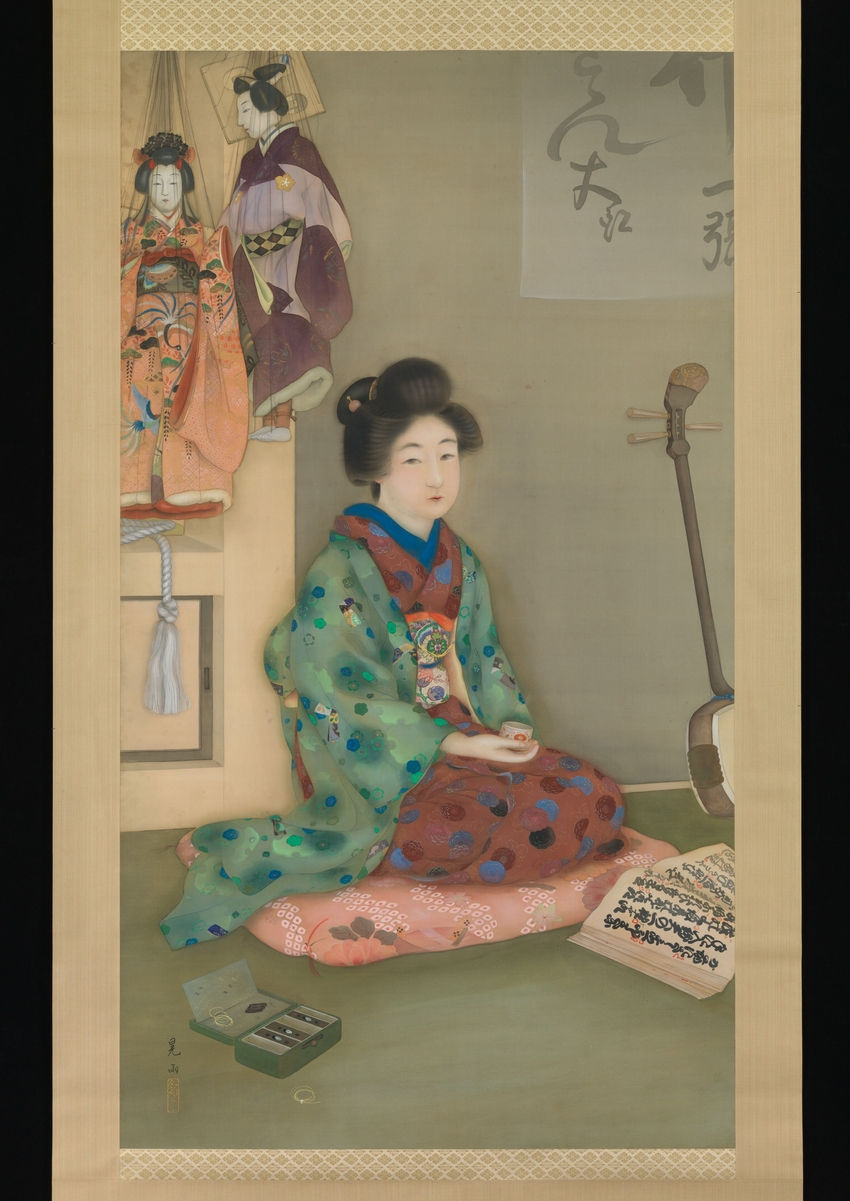
In a world where mass production often overshadows meaning, there is something profoundly grounding about surrounding oneself with authentic Japanese art. Each piece – be it a 19th-century hanging scroll (kakejiku), a lacquerware natsume, or a handcrafted tea bowl – whispers a quiet truth: art, at its finest, is not just to be admired, but to be lived with.
To invest in museum-quality Japanese art is to take part in a dialogue that transcends centuries – a dialogue between beauty, craftsmanship, and spirit. These works are not fleeting trends; they are cultural heirlooms that carry the essence of Japan’s deep artistic and philosophical heritage. For collectors and aesthetes seeking depth, harmony, and long-term value, Japanese art remains one of the most refined and rewarding investments available today.
The Living Soul of the Kakejiku
Among Japan’s most evocative art forms, the kakejiku – or Japanese hanging scroll – holds a special place. Traditionally displayed in the tokonoma (alcove) of a tea room or reception hall, the kakejiku is not merely decoration; it is the spiritual and aesthetic focal point of the space. Each scroll captures a moment of stillness, a brushstroke of enlightenment, or a fleeting beauty that invites contemplation.
To own a museum-grade kakejiku is to hold a fragment of Japan’s cultural memory. The calligraphy, ink paintings, or Zen landscapes that grace these scrolls embody not only artistic mastery but the mind of the creator. When the brush met silk, it did so with intention – an act of meditation translated into ink.
Investing in a fine kakejiku is thus more than acquiring art; it is acquiring presence. Whether a work by a Kyoto monk from the Edo period or a Meiji-era master painter, each scroll carries an aura of authenticity that no reproduction can mimic. These pieces have adorned temples, tea houses, and imperial residences, making them not just objects of beauty, but witnesses to history.
The Art of Investing in Heritage
Japanese art has long been prized by museums and private collectors worldwide – not only for its aesthetic refinement but also for its enduring value. A work of art that encapsulates fine Japanese craftsmanship stands as both a tangible and cultural asset.
From the ink-soaked scrolls of Zen masters to the intricate lacquerware natsume used in the tea ceremony, Japanese artisans have perfected the balance between functionality and grace. Every detail – each curve, each grain, each subtle imperfection – embodies the Japanese pursuit of harmony known as wabi-sabi: the beauty of impermanence and simplicity.
Today, authentic Japanese kakejiku and rare tea utensils are increasingly sought after by discerning collectors who recognize their value not just as art, but as living cultural expressions. These are pieces that age gracefully, deepening in color and resonance over time. Their patina is not decay – it is memory.
As the global appetite for authenticity grows, Japanese art has emerged as a beacon of timeless elegance in a market saturated with ephemerality. The finest collectors are now turning to Japanese antique dealers in Tokyo and Kyoto, whose curated selections of museum-grade works represent both exquisite taste and prudent investment.
Kyoto’s Master Craftsmanship: The Soul of Japanese Art
To speak of Japanese art without mentioning Kyoto is impossible. For centuries, Kyoto has been the cradle of Japan’s artistic excellence – a city where artisans, monks, and poets have devoted their lives to the perfection of form and spirit.
The Kyoto ceramic master artists – from Kiyomizu to Raku – embody this devotion. Their bowls, vases, and utensils are not merely crafted; they are breathed into being. The act of shaping clay in Kyoto’s quiet ateliers is often a meditation in itself. The resulting works – be they for the tea ceremony or for display – carry an energy of sincerity and grace that cannot be replicated.
To invest in these ceramics is to invest in continuity. Their value extends beyond the material: it is in the lineage, the philosophy, and the timeless appeal of Japanese cultural heritage art. Collectors understand that these are not mere objects – they are embodiments of Japan’s soul, forged through centuries of disciplined artistry and spiritual practice.

The Allure of Japanese Lacquerware and Tea Utensils
Among the most luxurious examples of Japanese artistry are lacquerware pieces, particularly the natsume – the tea caddy used in the tea ceremony. The deep, mirror-like finish of urushi lacquer, layered meticulously over weeks, speaks of patience and perfection.
Each natsume is a universe of detail: the sheen of the lacquer, the play of gold dust (maki-e), and the delicately hand-painted motifs that evoke nature’s quiet poetry. These pieces embody the Japanese belief that beauty lies in devotion to craft. For collectors, they offer both artistic satisfaction and investment security – rare works that increase in desirability as their artistry becomes rarer to reproduce.
Similarly, rare Japanese tea utensils – from matcha bowls to iron kettles – carry immense historical and cultural value. Each item forms part of the chanoyu tradition, the tea ceremony that epitomizes Zen balance and refinement. Owning such pieces is like holding fragments of philosophy in your hands: quiet, humble, and infinitely profound.
Authenticity as the Highest Luxury
In a digital world filled with replicas and instant gratification, authentic Japanese art stands as a testament to truth. The mark of the artist’s brush, the softness of old silk, the texture of hand-mixed ink – these details remind us of what it means to create and to care.
Authenticity is not only aesthetic; it is emotional. It speaks to a longing for connection – to something enduring, meaningful, and human. This is why collectors worldwide are turning toward museum-grade Japanese art: because it offers more than beauty – it offers stillness, culture, and legacy.
Conclusion: A Legacy to Be Lived With
Investing in Japanese art is not about speculation; it is about stewardship. Every kakejiku, every ceramic, every lacquered surface carries within it centuries of wisdom, waiting to be rediscovered by those who understand.
To live with Japanese art is to cultivate presence. It transforms a room into a sanctuary, a collection into a meditation. And like all true art, it deepens with time – revealing not only its history, but our own evolving sense of beauty.
In the end, the true return on investment in authentic Japanese art is the quiet joy it brings – the rare serenity of surrounding oneself with objects that remind us that imperfection is beauty, and that art, like life itself, is a form of enlightenment.


Comments